
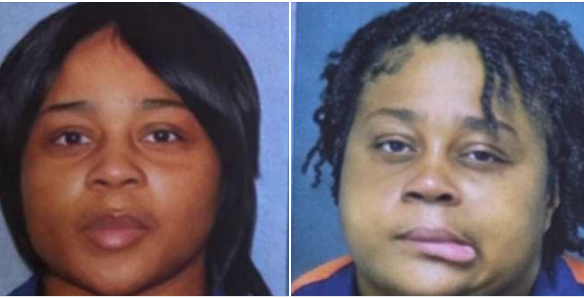
The Michigan Department of Corrections is facing increasing pressure to act following disturbing reports from inside the Huron Valley Correctional Facility, where an inmate serving time for robbery says she has been getting seriously sick after years of exposure to toxic mold. Krystal Clark, who has been behind bars for 16 years and has approximately one year left before she is eligible for parole, reports constant pain, headaches, and skin breakouts. She claims prison officials have ignored her complaints while her condition continues to worsen.
Her family says she is now unrecognizable and fears she may not survive if nothing is done. Now, with her health in sharp decline, lawmakers and advocates are stepping in, calling on the Governor of Michigan to release her early, arguing that the prison conditions are unsafe and could be life threatening.
The Complaint Years of Toxic Mold Exposure
Krystal Clark has been incarcerated at the Huron Valley Correctional Facility in Michigan for 16 years. Huron Valley is the state’s primary facility for women, located in Washtenaw County near Ypsilanti. It houses hundreds of inmates, many of whom are serving long sentences. Clark was convicted of robbery and has been working toward her parole, which is now approximately one year away.
But instead of counting down the days to freedom, Clark is fighting for her life. According to her complaints, she has been exposed to toxic mold inside the prison for years. Mold thrives in damp, poorly ventilated environments. Prisons, with their aging infrastructure and limited maintenance budgets, can become breeding grounds for mold growth. Inmates who are exposed for long periods can develop serious respiratory issues, skin conditions, and systemic illnesses.
Clark reports constant pain, headaches, and skin breakouts. Constant pain means that she is never comfortable, never at ease. Headaches can range from mild to debilitating. Skin breakouts can include rashes, lesions, and infections. These symptoms are consistent with exposure to toxic mold, which can cause allergic reactions, asthma, and in severe cases, neurological problems.
She claims prison officials have ignored her complaints while her condition keeps getting worse. Ignored means that she has filed grievances, spoken to medical staff, and requested transfers or remediation, but no meaningful action has been taken. Her condition has worsened over time, meaning that the exposure is ongoing and the damage is accumulating.
The Decline Unrecognizable and at Risk
Clark’s family says she is now unrecognizable. That phrase is devastating. Unrecognizable means that the woman they once knew, the mother, daughter, sister, or friend, has been changed so drastically by illness that her own family does not recognize her. The physical changes may include weight loss, skin lesions, or other visible signs of illness. The emotional changes may include depression, anxiety, or cognitive decline.
Her family fears she may not survive if nothing is done. That is not hyperbole. Toxic mold exposure can be fatal. Prolonged exposure can lead to respiratory failure, organ damage, and secondary infections. Clark’s immune system may be compromised, making her vulnerable to other illnesses. Her family is watching her die slowly, and they are desperate for help.
With approximately one year left before parole, Clark is close to the end of her sentence. She has served 16 years. She has paid her debt to society. But she may not live to see her release. The irony is cruel. She survived 16 years behind bars, but the conditions inside the prison may kill her just before she is set free.
The Response Lawmakers and Advocates Step In
Now, with her health in sharp decline, lawmakers and advocates are stepping in. They are calling on the Governor of Michigan to release her early, arguing that the prison conditions are unsafe and could be life threatening. The call for early release is based on medical necessity, not on a re evaluation of her original sentence. Clark is not asking for a pardon because she is innocent. She is asking for mercy because she is dying.
Lawmakers have the power to intervene in cases where the Department of Corrections has failed to provide adequate medical care. The Governor has the power to grant clemency or commute a sentence. Advocates are urging both to act before it is too late.
The argument is simple. The Eighth Amendment to the United States Constitution prohibits cruel and unusual punishment. Exposing an inmate to toxic mold for years, ignoring her complaints, and allowing her health to decline to the point of life threatening illness constitutes cruel and unusual punishment. The state has a duty to provide safe conditions and adequate medical care. It has failed in this case.
The Huron Valley Correctional Facility itself has a history of problems. Reports of mold, overcrowding, and inadequate medical care have surfaced before. Clark’s case is not an isolated incident. It is a symptom of a larger systemic failure.
The Broader Context Prison Conditions and Medical Care
Krystal Clark’s case highlights a broader issue in the American prison system. Inmates rely on the state for their basic needs: food, shelter, medical care. When the state fails to provide safe conditions, inmates suffer. They cannot leave. They cannot choose a different doctor. They cannot demand better housing. They are trapped.
Prisons are often underfunded and overcrowded. Maintenance is deferred. Staff are overworked. Medical care is rationed. Inmates with serious illnesses are often dismissed as exaggerating or drug seeking. Complaints are ignored. Grievances are denied. The result is that people die from preventable conditions while serving their sentences.
Clark’s case is particularly urgent because she is close to release. She has served 16 years. She has paid her debt. She deserves to leave prison alive. She deserves to see her family, to breathe fresh air, to receive proper medical care. The Governor has the power to make that happen.
The Family’s Plea
Clark’s family is desperate. They have watched her deteriorate over the years. They have filed complaints, contacted officials, and begged for help. Now they are speaking publicly, hoping that public pressure will force the state to act.
They want the Governor to release Clark early. They want her to receive medical care outside the prison system. They want her to survive. They are not asking for special treatment. They are asking for basic humanity.
Holding Onto Hope
As lawmakers and advocates push for early release, Clark’s family is holding onto hope. Hope that the Governor will act. Hope that Clark will survive. Hope that she will one day walk out of prison and into their arms.
Clark has one year left on her sentence. One year. She has survived 16 years. But she may not survive one more year in the conditions that are making her sick. The clock is ticking.
Conclusion A Life at Risk Behind Bars
Krystal Clark, an inmate at the Huron Valley Correctional Facility in Michigan, is fighting for her life. After 16 years behind bars for robbery, with approximately one year left before parole, she is suffering from constant pain, headaches, and skin breakouts due to years of exposure to toxic mold. Prison officials have ignored her complaints. Her health has declined to the point that she is unrecognizable to her family, who fears she may not survive.
Lawmakers and advocates are calling on the Governor of Michigan to grant her early release, arguing that the prison conditions are unsafe and life threatening. The Governor has the power to act. The question is whether she will.
Krystal Clark has paid her debt to society. She should not have to pay with her life.
Leave a Reply